

Why slowing down is the key to genuine cultural immersion
We live in an age of lists. We keep to-do lists at the office, shopping lists for the supermarket and, most paradoxical of all, “bucket lists” for our holidays. We fly thousands of kilometers only to rush from one sight to the next with a smartphone in hand. We collect photos like trophies, and in the process we often forget to actually experience the moment.
Imagine, for a moment, a different approach.
Imagine waking up in the highlands of Chiriquí, not to an alarm clock, but to the distant roar of a howler monkey or the gentle patter of raindrops on a banana leaf. You know that today there’s no bus waiting to chase you to five different photo stops in three hours. Instead, you have time. Time for a second coffee, time for a conversation with the farmer, time to feel the texture of the earth beneath your feet.
That’s slow travel. And we at Panamatura are convinced that in a country as diverse, as colorful and as deep as Panama, slowing down isn’t just a luxury. It’s the only way to reach the true soul of the place.
What does Slow Travel Panama actually mean?
Slow travel doesn’t necessarily mean moving at a snail’s pace. It’s more of a mindset, one that puts the quality of the experience ahead of the number of destinations.
In Panama that means focusing on a few chosen regions instead of “ticking off” the whole country from Costa Rica to Colombia in two weeks. We stay three or four nights in one place rather than packing our bags every morning. Why? Because on the first day you’re a visitor, on the second a guest, and on the third an acquaintance. Only once the anonymity fades does the real cultural immersion begin.
A journey for the senses: perceiving Panama consciously
When we rush, our senses flip into “survival mode” and we take in only the rough outlines. When we slow down, a whole spectrum of impressions opens up, the very things that make Panama so unique.
1. Hearing: the silence and the rhythm
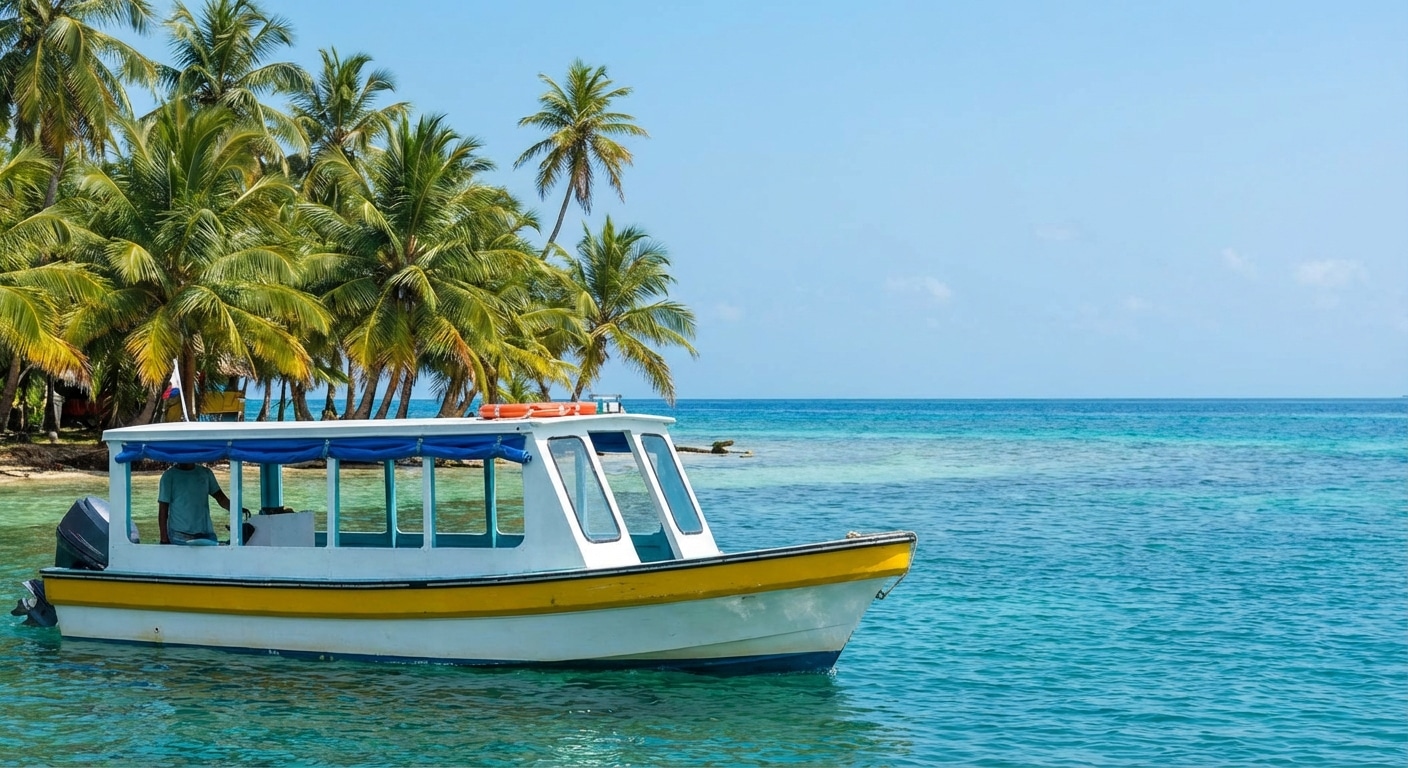
Have you ever really listened to the silence on the San Blas Islands (Guna Yala)? It isn’t total silence, but an orchestra of rustling palm fronds and the gentle lap of turquoise water against a fisherman’s dugout canoe (ulu). In slow-travel mode you don’t just hear the sound. You start to understand the rhythm of the tides that the Guna have lived by for centuries.
2. Tasting: the story behind Geisha coffee
You can knock back a coffee on the go. Or you can take your time over a tasting in the highlands of Boquete. Once you learn how much handwork, patience and knowledge go into a single cup of the famous Geisha coffee, you suddenly pick out notes of jasmine and bergamot that a quick “coffee to go” would have hidden from you. You taste the passion of the farmer who’s just been telling you about the challenges of the harvest.
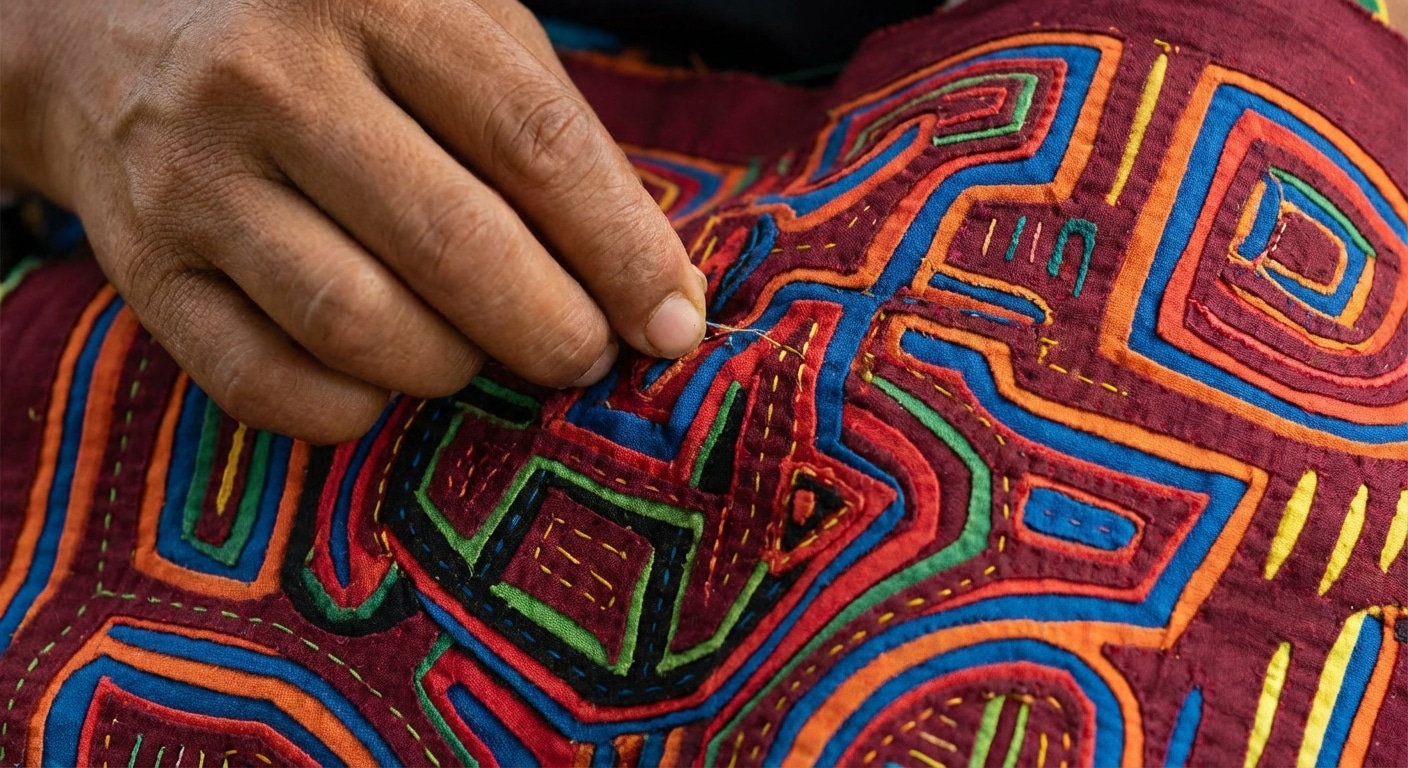
3. Seeing: the details of mola embroidery
A mola, the traditional handicraft of the Guna women, looks like a colorful piece of cloth. But take the time to watch a woman embroider one and you start to notice the layers, the precise cuts and the symbolism woven into every pattern. You’re not just looking at a souvenir. You’re looking at a visual chronicle of a culture that has stitched its resistance and its identity into thread.
The encounter: the heart of cultural immersion
The most important part of slow travel is people. Genuine cultural immersion can’t be booked like an admission ticket. It’s a gift built on trust and time.
With the Emberá: more than just a visit
Plenty of tour operators run trips to the Emberá communities on the Rio Chagres. Often it’s a three-hour affair: dance, photo, buy a handicraft, back on the boat. At Panamatura we prefer to stay overnight in the community. Once the day-trippers have gone and the sun sinks behind the jungle, the whole mood shifts. You sit together by the fire. You talk, maybe with hands and feet, maybe with a few scraps of Spanish, about life, family and the forest. It’s in these unplanned, unscripted moments that the real connection happens. And you realize we’re more alike than we thought.
On the Azuero Peninsula: the legacy of the artisans
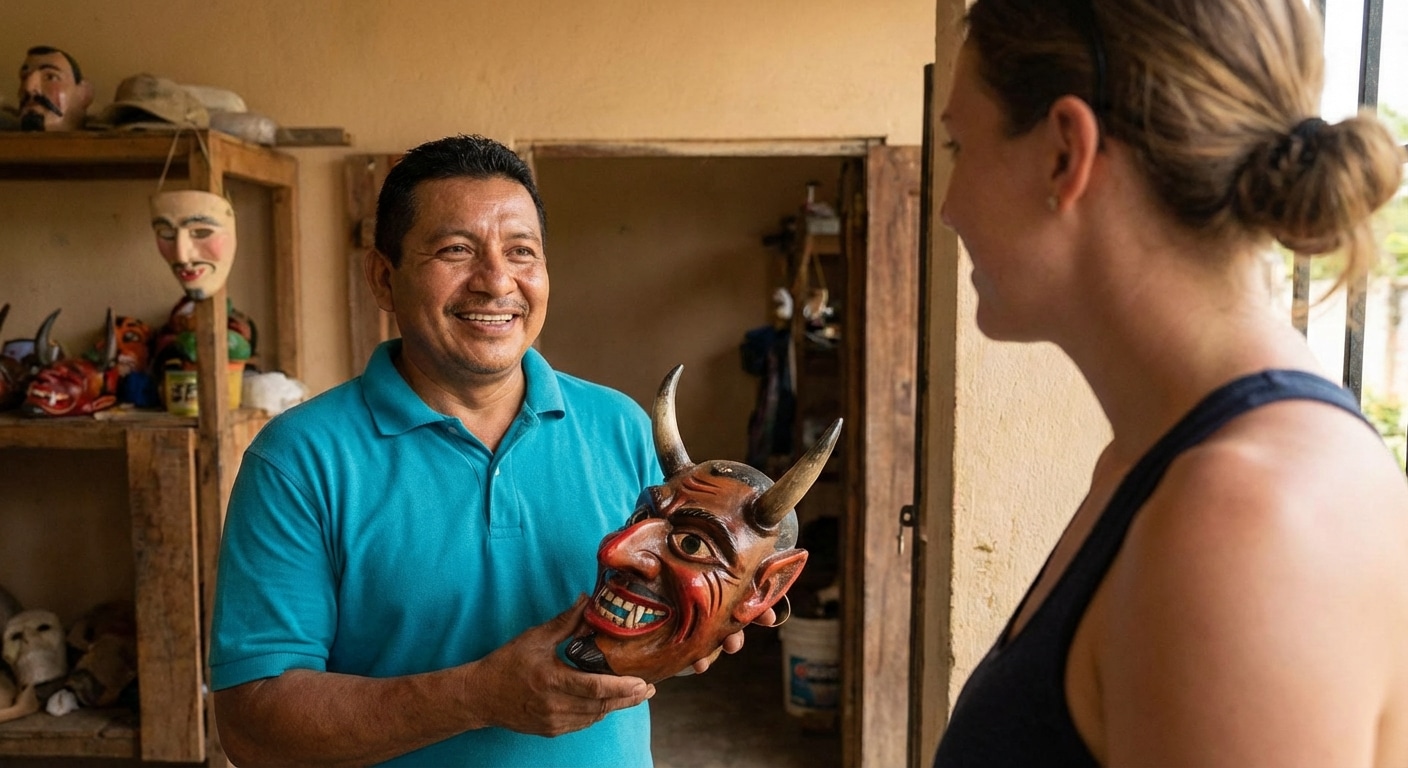
The province of Los Santos is the beating heart of Panamanian tradition. This is where the magnificent pollera dresses are sewn and the fearsome Diablico Sucio masks are made. Travel “slow” here and you don’t just pop into the museum. You sit down in a mask maker’s workshop. You catch the smell of papier-mâché and paint, and you understand that tradition here isn’t a marketing gimmick but lived pride.
The ecological and social component
Slow travel is inseparable from sustainability. Staying longer in one place means less transport and a smaller carbon footprint. Far more important, though, is the social side: our money stays right in the local community. We support the little homestay, the local guide and the coffee farmers’ cooperative instead of faceless corporations.
Taking our time is also a mark of respect toward our hosts. We show genuine interest in their everyday lives, not just in their “performance” for tourists. That strengthens pride in their own culture and shields traditional ways of life from being watered down by mass tourism.
Slow travel tips for your Panama trip
So how do you actually put this into practice? Here are our tips for a trip that lingers:
- Pick a few anchors: Settle on two or three regions (say, Bocas del Toro and the highlands of Chiriquí) instead of six different provinces.
- Build in “empty days”: Leave one day completely unplanned every three. Follow a local’s tip, sit on a plaza with a book, or just watch the birds.
- Use local transport: Ride the water taxi or the colorful “Diablo Rojo” bus for a short stretch at least once. It’s less comfortable, but it drops you right into the thick of daily life.
- Ask “why”: Get curious about how things work. Ask the cook where the fish comes from. Ask the guide about his childhood memories of the forest.
Why Panamatura is the ideal partner for slowing down
We at Panamatura see ourselves as bridge-builders. Our routes are built to leave room for the unexpected. We know the families, the homestays and the small projects personally. And we know where to catch the best sunset without a hundred other cameras crowding around you.
We believe the most valuable souvenirs aren’t objects, but the conversations you’ve had and the calm you’ve found in yourself. Panama is a country that invites you to pause. You just need the courage to slow down.
The art of arriving
When you’re back on the plane at the end of your Panama trip, you shouldn’t feel like you’ve just watched a film on fast-forward. You should feel that a small piece of you has stayed behind in the mountains of Boquete, in the waves of Santa Catalina or in the huts of Guna Yala.
Slow Travel Panama is an invitation to reconnect with the world, and with yourself. It’s the realization that the journey isn’t only the destination, and that lingering along the way is the real reward.
Are you ready to trade the beat of the clock for the beat of your heart?
Our self-drive trips in Panama
FAQs – Frequently asked questions about slow travel in Panama
Isn’t slow travel much more expensive because you stay longer?
Not necessarily. You spend less on domestic flights and constant transfers, so it often evens out. On top of that, local accommodations and food in the communities tend to be cheaper than the big hotel chains. The real value, though, is in what you can’t put a price on.
Slow Travel Panama – with Panamatura!
Won’t I miss the highlights if I focus on fewer places?
You might miss a photo of one place, but you gain a deep experience of another. Someone who sees five beaches in five days barely remembers a single one a month later. Someone who lives on one beach for five days knows its crabs, its current and its sunsets.
Slow Travel Panama – with Panamatura!
Is slow travel suitable for families with children?
Absolutely. Children are born slow travelers. They don’t want to race from museum to museum. They want to turn over stones in the river, play soccer with local kids and watch animals. Slow travel takes the stress out of a family holiday.
Slow Travel Panama – with Panamatura!


