

If you’re heading to Panama, one question comes up fast: which currency does Panama use, and how should I pay once I’m there? The mix of balboa and US dollar looks complicated at first, but in practice it’s very simple. This post gives you a compact overview of the currency, card payments, withdrawing cash and how to avoid exchange-rate traps.
Which currency does Panama have?
The official currency of Panama is the Panamanian balboa (PAB). Alongside it, the US dollar (USD) is also legal tender.
In practice it works like this:
- Coins: balboa (B/.), equivalent to US coins 1:1
- Bills: in everyday life, almost exclusively US dollars
- Exchange rate: 1 balboa = 1 US dollar
So there’s no need to track down balboa back in Europe. Just bring US dollars in cash or withdraw them once you arrive, and you’ll get balboa coins as change automatically.
Overview: currency in Panama at a glance
| Type | Name | Code | Used for | Note |
|---|---|---|---|---|
| National currency | Panamanian balboa | PAB / B/. | Coins | Pegged 1:1 to the US dollar |
| Second currency | US dollar | USD / $ | Bills & prices | Dominant currency in daily life |
| Cash | USD + balboa coins | – | Everyday payments | Especially important outside the cities |
| Card payment | Credit/debit cards | – | Hotels, malls, etc. | Widely accepted in Panama City |
Cash, cards & withdrawing money
Cash: how many dollars should I bring?
Especially at the start of your trip, US dollars in cash come in handy, for example for:
- Taxis and local buses
- Small restaurants and street stalls
- Tips
- Rural regions and islands
To begin with, depending on how long you’re travelling, around 150–300 USD is a sensible amount. You can withdraw the rest as you go at the ATM.
Panama credit card
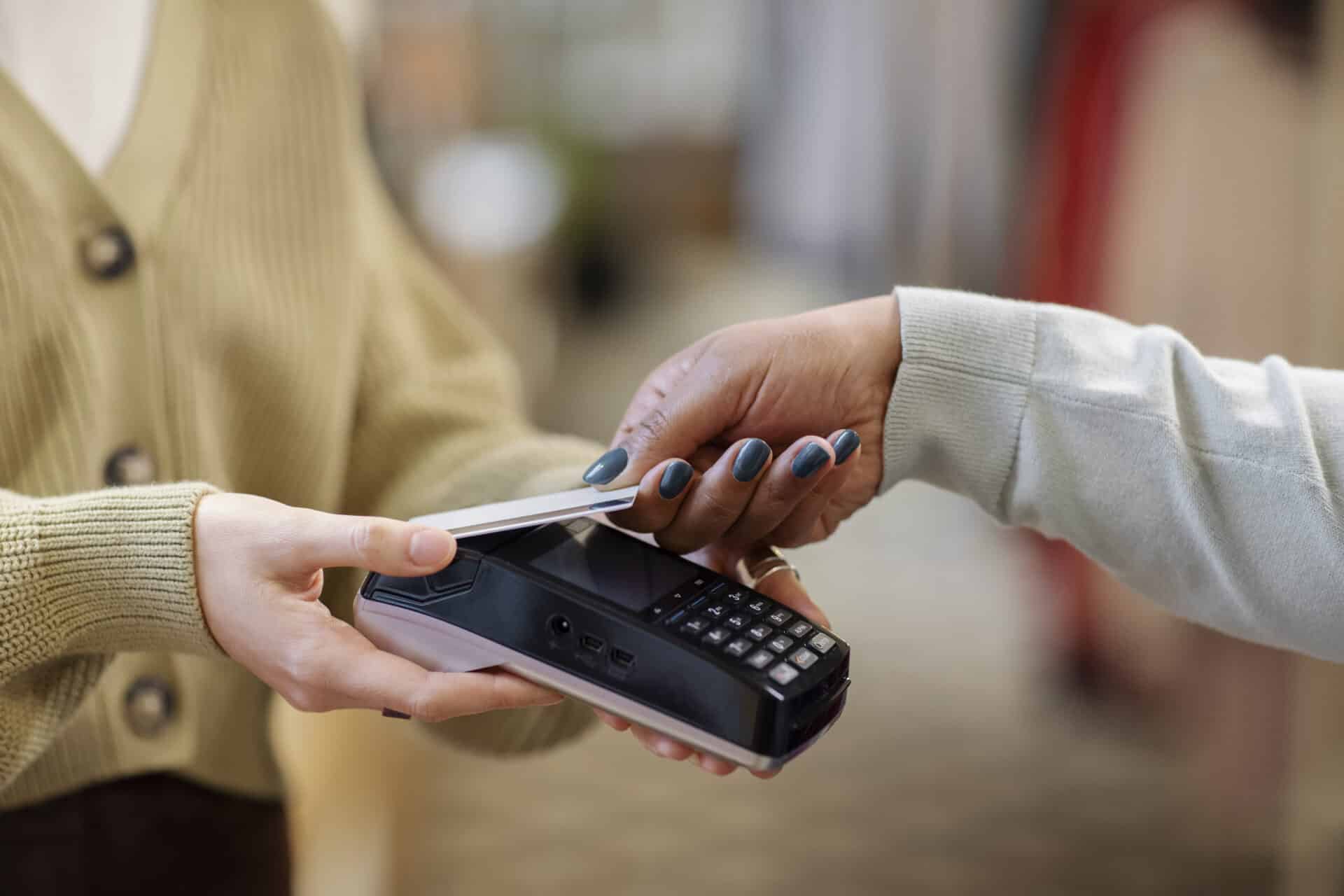
In cities and tourist areas, you can often pay easily by card:
- Hotels & resorts
- Supermarkets & shopping malls
- Mid- and higher-priced restaurants
- Rental cars, domestic flights, tour operators
The most widely accepted cards are VISA and Mastercard, and sometimes American Express. In small shops and at markets, though, the old rule still holds: cash is king.
Withdrawing money at the ATM
You’ll find ATMs in:
- Banks
- Shopping centers
- At the airport
Typical costs are:
- A local ATM fee (usually a few US dollars per withdrawal)
- Possible foreign-transaction fees from your own bank
The trick is to withdraw larger amounts less often to keep those fixed fees down, while still not carrying too much cash at once.
💡 Safety & limits
- Before you travel, check with your bank that your card is enabled for use abroad in Central America.
- If you can, set daily limits for withdrawals and payments; it’s extra protection if your card is ever lost.
- Stick to ATMs in bank branches or malls, not on dark side streets.
Exchange rate & avoiding common traps
Since the currency in Panama is firmly pegged to the US dollar, you basically only need to watch the rate between your home currency and the USD. A currency-converter app on your phone makes it easy to check prices on the go.
One thing to watch out for: so-called Dynamic Currency Conversion (DCC).
Here’s how it works:
- You pay by card (at a hotel or restaurant, say).
- The terminal asks whether you want to pay in euros (or your home currency) or in US dollars.
- If you pick euros, the provider often applies a worse exchange rate plus a surcharge.
When paying by card in Panama, always choose USD – not euros.
That way you get your own bank’s rate and skip the unnecessary extra costs. The same goes for ATMs that offer to “conveniently” convert the amount into euros for you.
A few more tips:
- Use exchange offices in tourist hotspots and at the airport only in an emergency.
- Ask your bank ahead of time about fees and any partner banks.
- Keep receipts for larger payments in case you want to check something later.
Travel through Panama stress-free with Panamatura
The mix of balboa, US dollar, cash and card looks complex at first, but with a little preparation it really isn’t.
👉 If you’d like to plan your Panama trip without the stress, Panamatura.de helps you with:
- Individually tailored itineraries
- Tips on safe, fair ways to pay while you’re travelling
- Personal advice on the best regions, places to stay and things to do
Which currency is mainly used in Panama?
Officially it’s the balboa, but in daily life people pay mostly with US-dollar bills. The balboa turns up mainly as coins, which match the US dollar 1:1.
Can I pay by card everywhere in Panama?
In cities and tourist areas, yes, especially in hotels, restaurants, supermarkets and malls. In smaller shops, at markets, on buses or in taxis, it’s often cash only. A mix of card and US dollars in cash is ideal.
Should I bring euros and exchange them in Panama?
You can exchange euros locally, but usually at worse rates. It’s more practical to get US dollars before you leave, or to withdraw them directly in Panama with your card at the ATM, keeping an eye on fees and limits.


