

From humidity to hours of sunshine – your personal guide to feeling good in the tropics
Step off the air-conditioned plane in Panama City, open the door to the tarmac or the terminal for the first time, and you hit that one incomparable moment: it feels like walking into a warm, soft wall of air. It smells of earth, of distant blossoms and, yes, of adventure.
Panama’s climate isn’t just a backdrop to your trip; it’s a leading character. It sets the rhythm of the day, the lushness of the jungle and the calm of the people. But for us Europeans, used to four clearly separated seasons and often dry, heated indoor air, the tropics raise a few questions.
How do you cope with 80% humidity? Why does the sun burn differently here? And does it really rain nonstop during the rainy season? Let’s get into the weather facts of Panama.
The golden rule: there is no winter
First things first: Panama lies about 9 degrees north of the equator, which keeps temperatures stable all year round. While we in Europe switch between antifreeze and sunscreen, Panama holds steady at daytime temperatures between 29 °C and 33 °C (on the coasts).
Instead of spring, summer, autumn and winter, Panama has just two phases:
- The dry season (Verano): Roughly from mid-December to April.
- The green season (Invierno/rainy season): From May to early December.
At Panamatura we deliberately call the rainy season the “Green Season”. Why? Because without this rain, Panama wouldn’t be the natural paradise we love so much. Without the rainfall there’d be no Panama Canal (which needs huge amounts of fresh water) and no mist-shrouded rainforests where the rare quetzal bird lives.
The invisible factor: humidity
When travellers say “the heat is getting to me,” they usually don’t mean the temperature at all, but the relative humidity. In Panama that sits almost always between 70% and 90%.
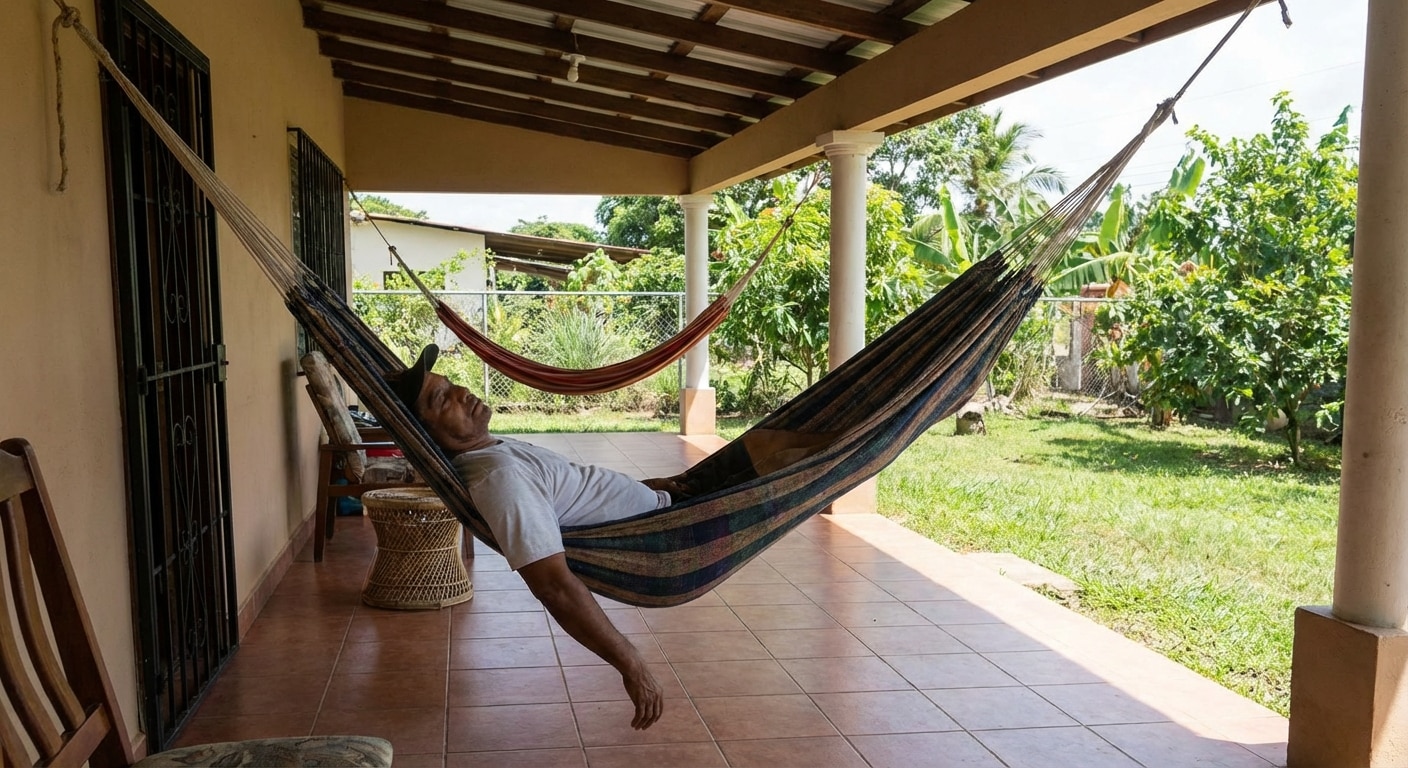
What does it do to the body? Our natural cooling works through sweating: sweat on the skin evaporates and draws heat away from the body. In the tropics, though, the air is already so saturated with moisture that sweat can barely evaporate. The result: we feel “sticky”, and the perceived temperature is often 5 degrees above what the thermometer shows.
Panamatura expert tip for feeling good:
- Choice of fabric: Forget synthetics. Linen and very thin cotton are your best friends. They let the skin breathe.
- The slow start: Give your body two days to acclimatise. Don’t plan a 10-kilometre jungle hike right at the start.
- Drink, drink, drink: Even if you’re not thirsty, your body loses a lot of electrolytes in the humidity. Coconut water (Pipa Fria) is the perfect local isotonic drink here.
Regional microclimate: not all of Panama is the same
One of the most exciting things about Panama is that a two-hour drive can change the weather completely.
1. The Pacific coast: the sunny classic
The Pacific side (including Panama City) has a very pronounced dry season. From January to March, often not a drop of rain falls here for weeks. The vegetation turns rather brownish during these months, and a strong north wind often blows, which makes the heat very pleasant.
2. The Caribbean coast: the eternal green
Regions like Bocas del Toro or Guna Yala have no “real” dry season. It can rain all year round, mostly short, heavy and at night. In return, the Caribbean side stays deep green and jungly all year. If you’re travelling here, take the rain as part of the experience.
3. The highlands: eternal spring
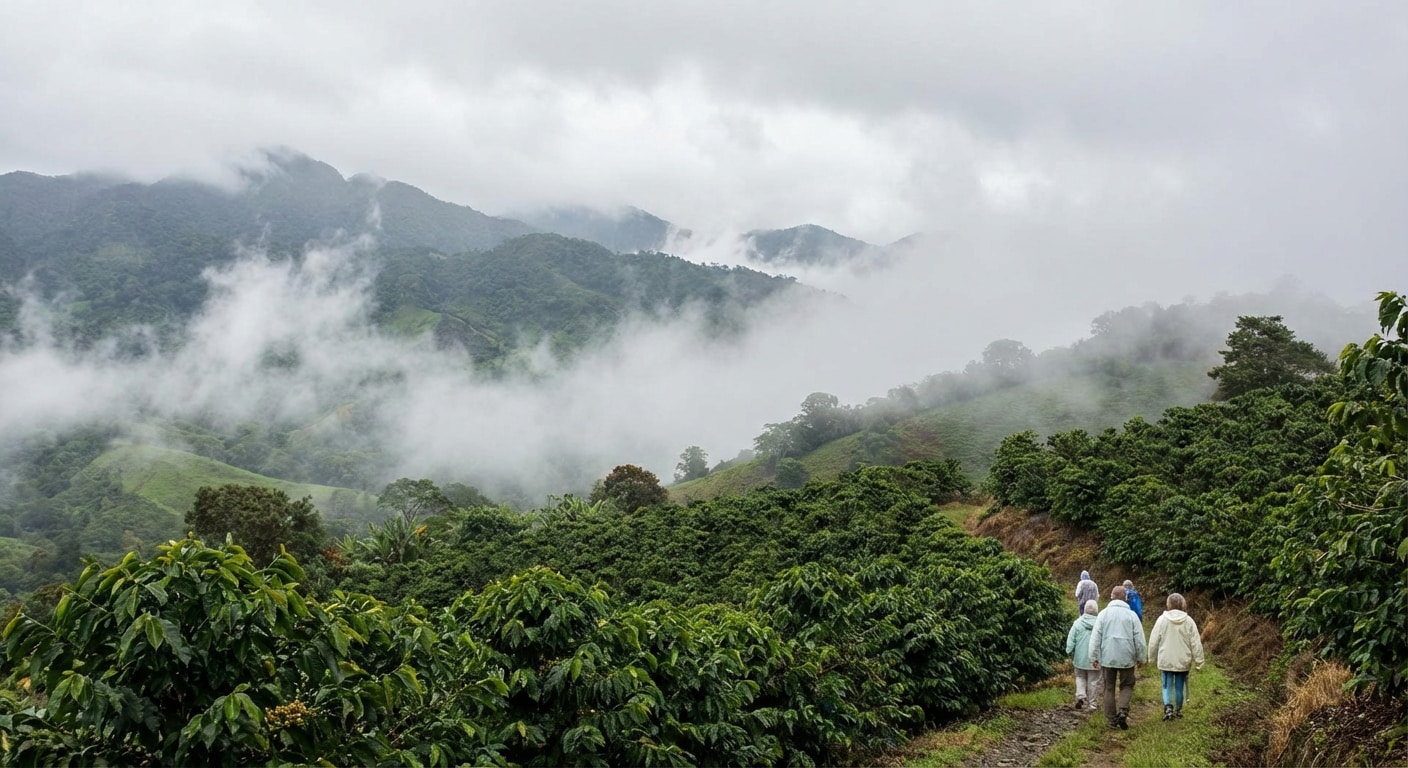
My personal favourite for feeling good: Boquete and the Chiriquí region. In the mountains at 1,200 to 1,800 metres, temperatures drop to a pleasant 18 °C to 24 °C. At night it can even get cool enough that you’ll want a sweater and a blanket. For many travellers, a stop in the highlands is the “cool-down break” they need to recharge their energy reserves.
The sun at the equator: an underestimated risk
A mistake we see all the time: “It’s cloudy, I don’t need sunscreen today.” Careful! Because Panama sits so close to the equator, the UV rays hit the earth almost vertically. Even under a dense cloud cover, the UV exposure is often higher than on a bright summer day in Germany.
The hours of sunshine vary by season, but one thing stays the same: the sun rises (around 6:00 am) and sets (around 6:30 pm) at almost the same time all year round. The “tropical light” is most intense in the morning.
Wellbeing under the sun:
- Use the early morning hours for activities. Between 12:00 and 3:00 pm the Panamanians have the right idea: siesta in the shade.
- A good hat (ideally a real Panama hat, which you can buy locally in Casco Viejo!) isn’t just a fashion accessory but protection for your most important organ: your brain.
The rainy season myth: what does a rainy day really look like?
Let’s clear up the myth that the rainy season means it pours for 24 hours straight. That happens extremely rarely (usually only with tropical low-pressure systems in October or November).
A typical day in the “Green Season” goes like this:
- Morning: bright sunshine, blue sky.
- Midday: it turns oppressively muggy, clouds pile up.
- Afternoon: a powerful, warm downpour for one to two hours. The world seems to be ending, the streets briefly flood.
- Afterwards: the air is wonderfully washed clean, the temperatures drop slightly, and the evening is usually dry again.
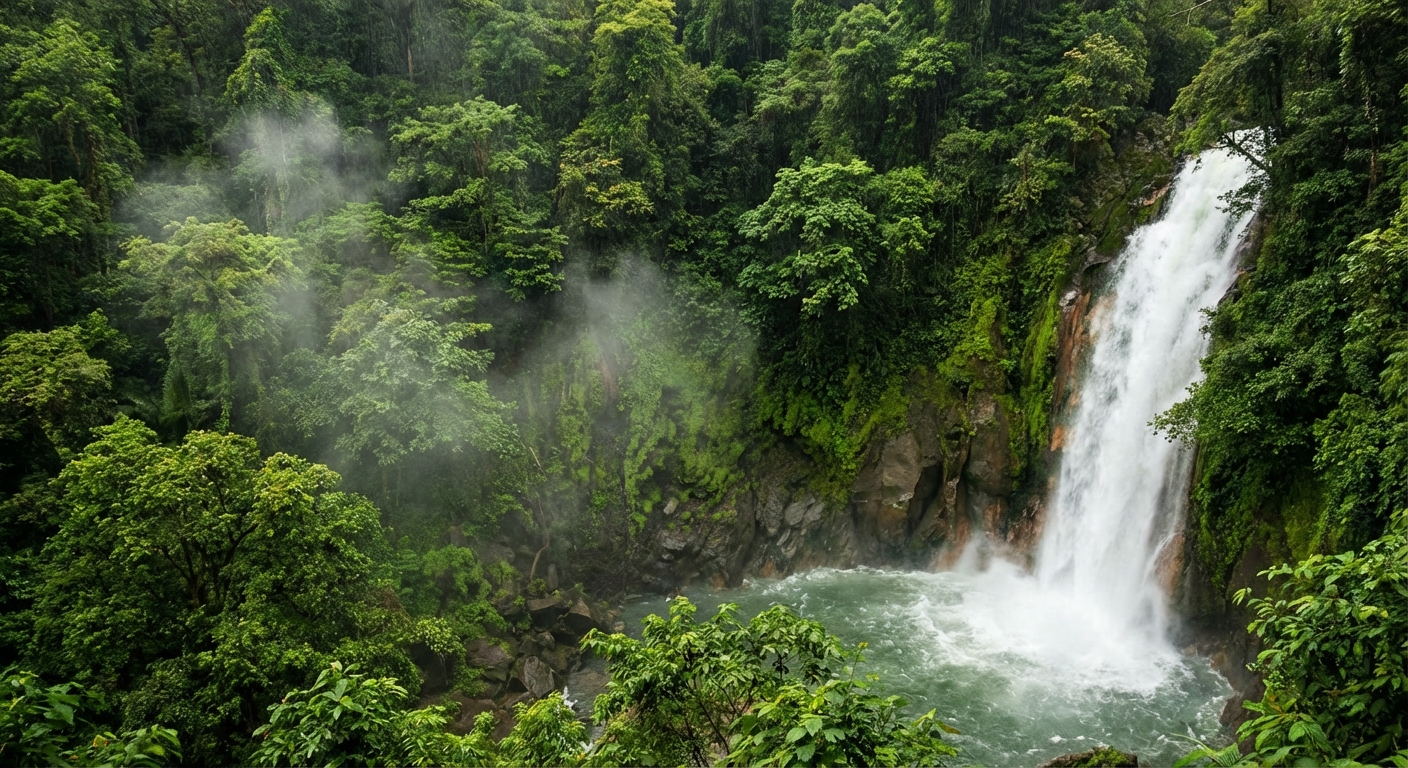
Why the rainy season is often the better time to travel: The hotels are cheaper, the national parks are emptier and nature practically bursts with vitality. At Panamatura we love this time, because the waterfalls show their full splendour and the colours in photos look far richer than in the dusty dry season.
The “Panamatura guide” to your tropical wellbeing
So you can enjoy your trip to the fullest, here’s our checklist for managing the climate:
- Air-conditioning caution: Panamanians love their air conditioning and often crank it to “arctic”. The constant switch from 32 degrees outside to 18 degrees in the bus or supermarket puts a strain on the immune system. Always carry a thin scarf or a light jacket.
- Insect protection: High humidity also means more mosquitoes, especially at dusk. Since insects react to sweat, showering regularly and wearing light-coloured clothing both help (dark colours attract them).
- Time for breaks: At Panamatura we plan our routes so you don’t rush. The climate doesn’t forgive stress, and those who settle into the slow, tropical pace suffer less from the heat.
- Skin care: With the humidity and constant sweating, skin can get irritated. Natural oils or light lotions work better than heavy, greasy creams.
Conclusion: the weather as part of the magic
You can’t understand Panama without its weather. The rain is the architect of the jungle, the sun is the engine of joie de vivre, and the humidity is the reason everything grows, blooms and smells so intensely here.
Once you learn to see the climate not as an obstacle but as part of the authentic experience, your trip gains a whole new depth. You’ll love the moment when a warm rain comes down on you while you bathe in the Pacific. You’ll savour the cool breeze in the highlands of Boquete like a fine wine.
Ready to feel the tropical paradise in all its facets?
At Panamatura we give you personal advice on which region suits your preferences best, and when. Whether you’re a sun worshipper or a cloud-forest explorer, we’ll find your perfect Panama weather.
FAQs – Panama Climate
When is the absolute best time to visit Panama?
That depends on your priorities. For guaranteed sunshine and a beach holiday on the Pacific, January to March is ideal. For nature lovers who want to watch whales or love the lush flora, August to October is fantastic, even though it rains more often then.
Do I need a rain jacket?
Honestly, in a classic, thick rain jacket you sweat more from the inside in Panama than you’d get wet from the outside. A light umbrella or an extremely thin poncho is usually more practical. Or do as the locals do: take shelter and have a coffee until it passes.
Are there hurricanes in Panama?
No. Panama lies south of the typical hurricane belt. The Caribbean islands and Mexico get hit by severe storms often, but Panama is spared. That makes it a safe year-round destination.


