

For around 200 years, fortune seekers from every corner of the world, along with slaves and mules, traveled the Camino Real (the Royal Road). They carried the gold and silver plundered in South America from the Pacific to the Atlantic, to be loaded onto Spanish galleons in Portobelo. From there, the treasures were shipped to Europe. As Spanish colonial power declined, this 100-kilometer trade route slowly slipped into obscurity. Since 2008, a research group led by Christian Strassnig has been retracing the original course of the Camino Real. I set off with Cultour too, following the trail of the conquistadors for four days.
We (that’s Juliana and Anton from Germany, Alicia and Irene from Argentina, and our guide Lucia) climb into a motorized dugout canoe painted green and orange.
Ismael and his companion ferry us to Quebrada Ancha. The village sits in Chagres National Park and can only be reached by way of Lake Alajuela. Dense bushes and forest line the shore, and birds hide from our curious eyes in the thicket.
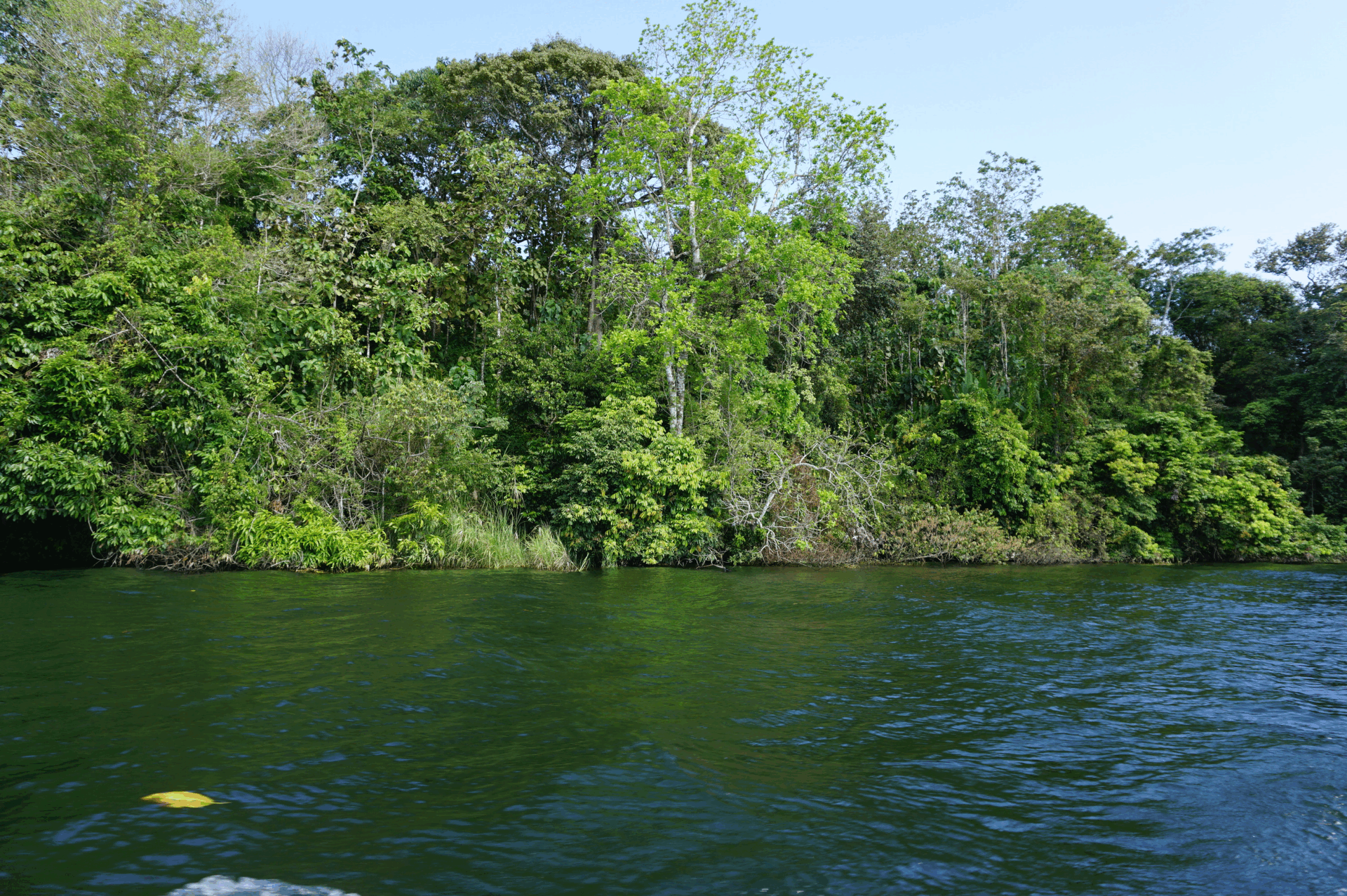
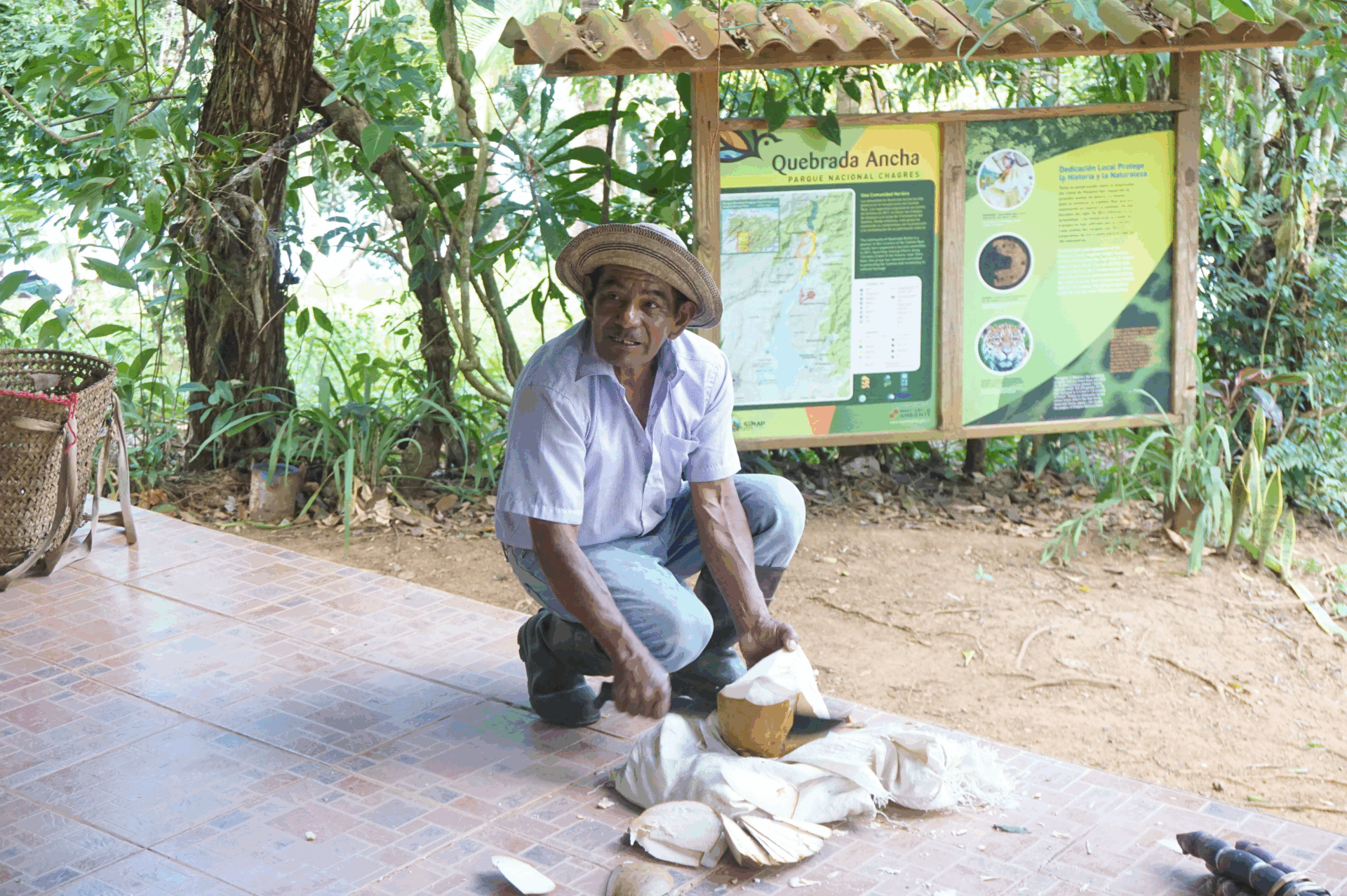
Storks circle elegantly over the gently rippling water. After about 20 minutes on the water, we reach the community of roughly 80 souls. At the community house, we’re welcomed with a special drink: Esteban deftly opens a coconut for each of us with a machete.
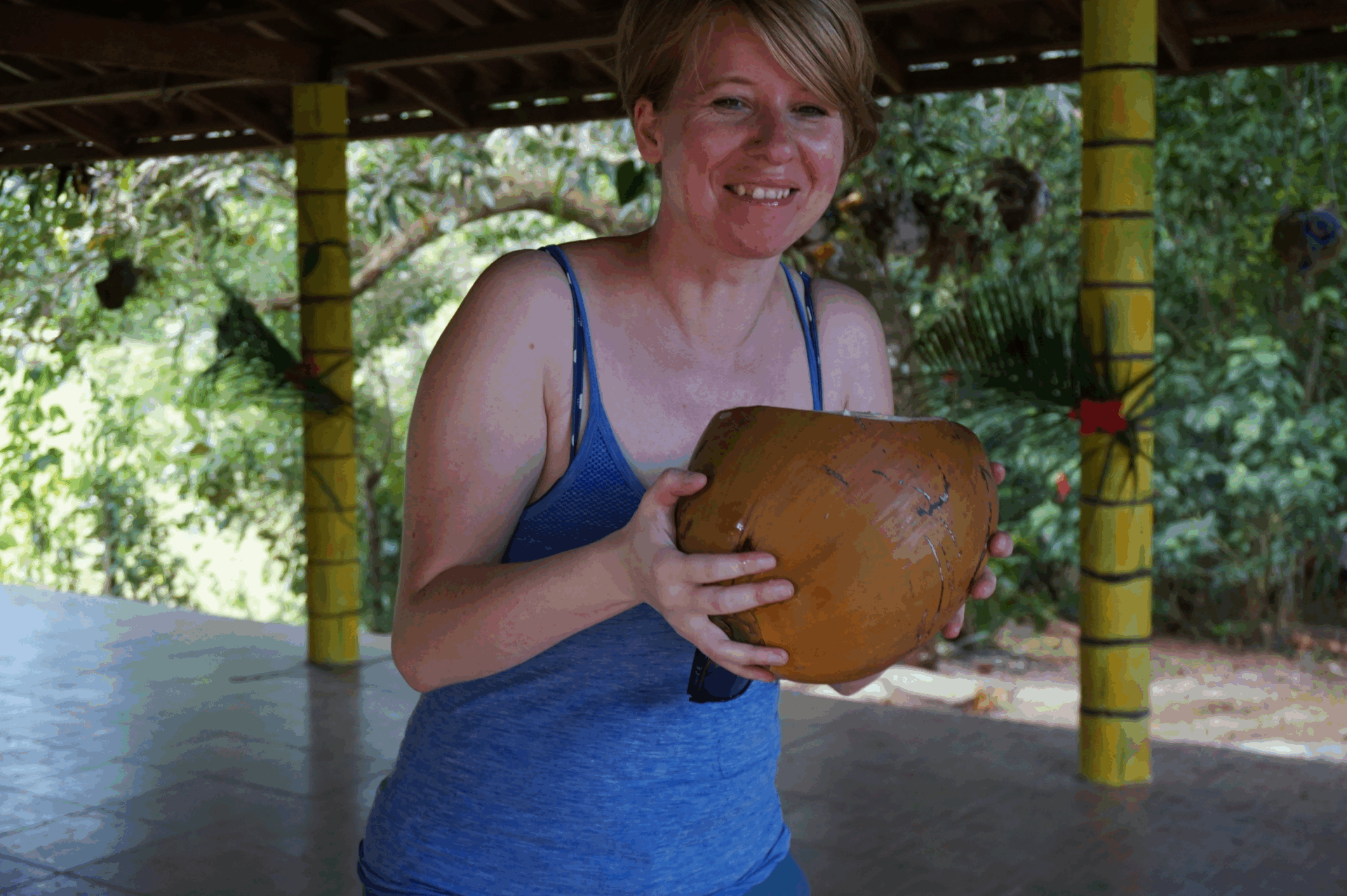
The slightly sweet coconut water is wonderfully refreshing. Then I try to pry the coconut flesh out of the shell. Is there a knack to it? No idea, but I look thoroughly clumsy trying.
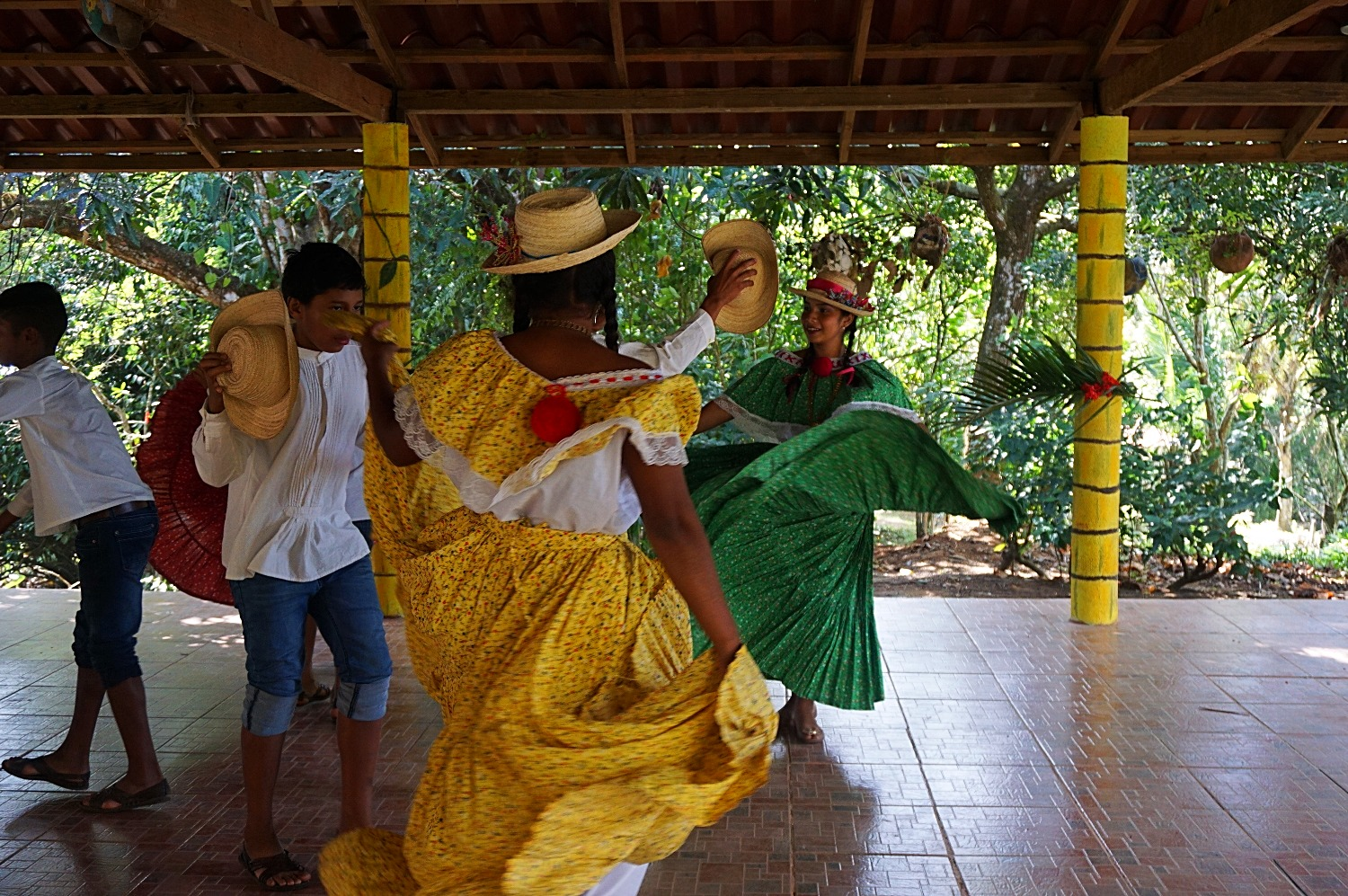
Some of the village girls and boys have dressed up to show us traditional dances.
Isabel, Ismael’s wife, cooks us a delicious meal. On the menu: freshly caught tilapia from Lake Alajuela, rice and beans, washed down with freshly squeezed grapefruit juice.
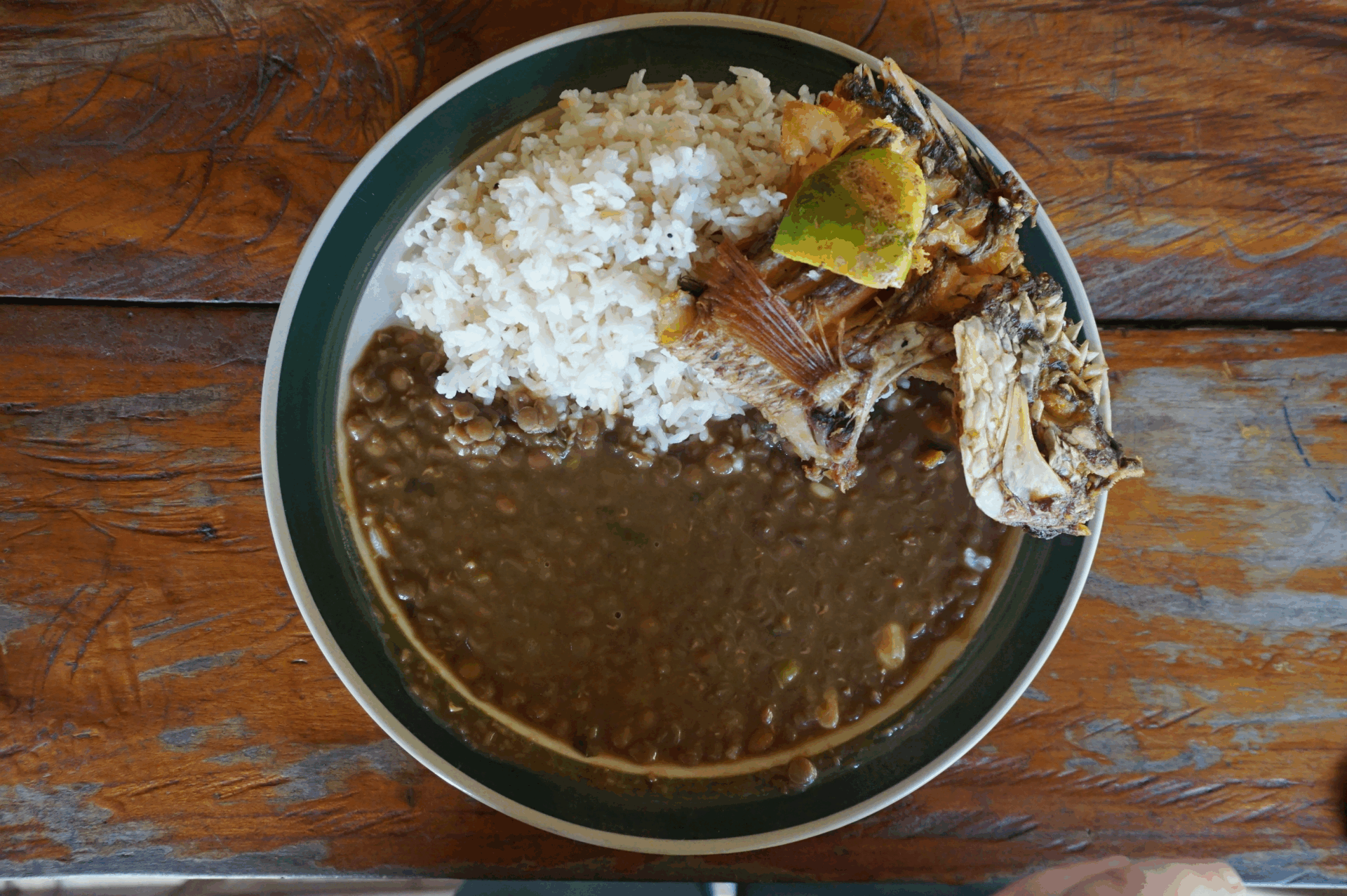
Fueled by this tasty meal, we ease into the Camino Real tour and explore the old trade route near Quebrada Ancha. Every so often, stretches of old cobblestone turn up along the way.
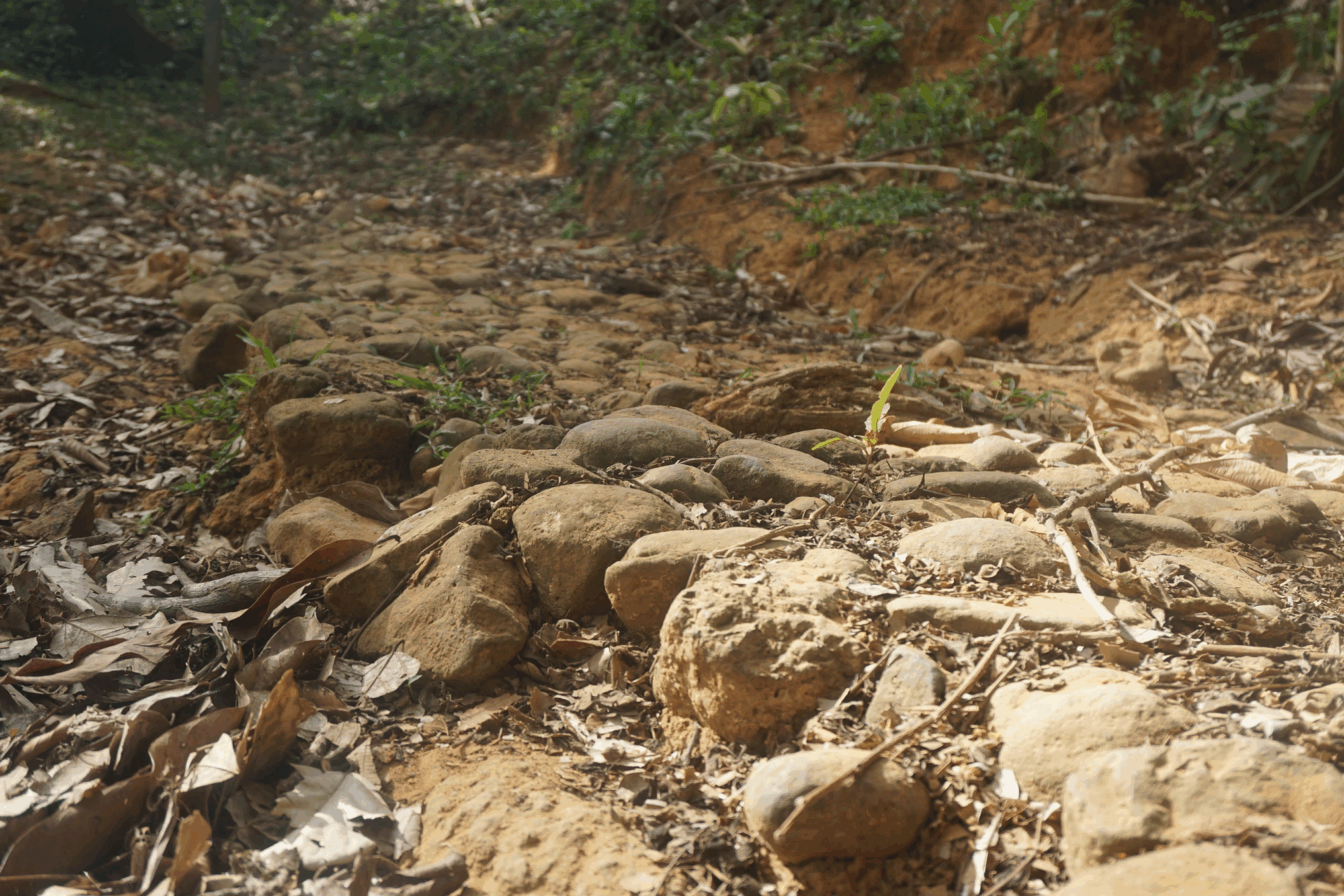
I marvel at the palm-sized hollows worn into the cobblestones. Over the years, the mules’ hooves carved them out of the paving, Lucia tells us. And she has plenty to share beyond cultural history: with her knowledge of the area and its plants, she also walks us through the fauna and flora of Chagres National Park.
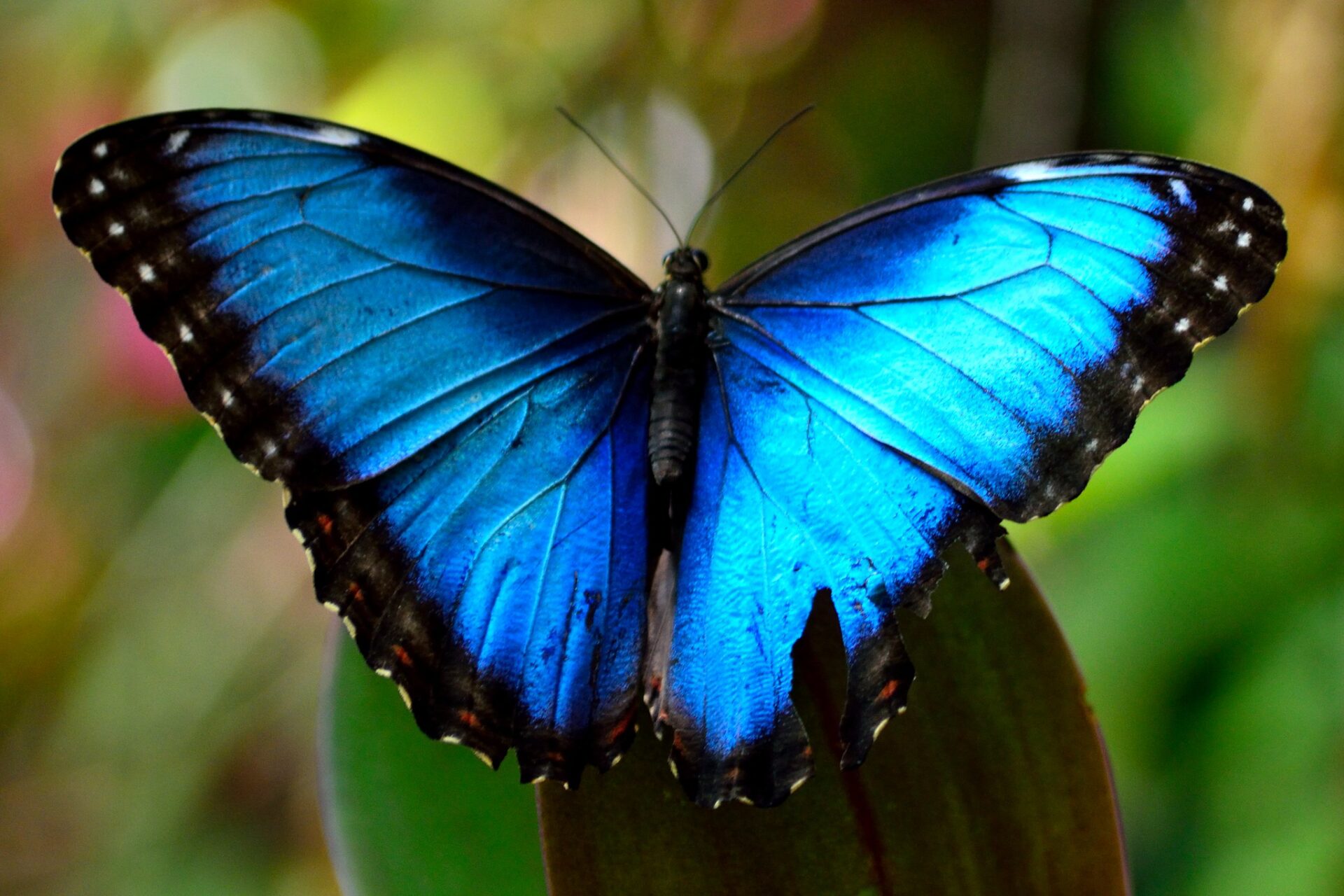
Then a fluttering, shimmering blue suddenly flashes before my eyes. As unexpectedly as it appeared, it’s gone again. A blue morpho butterfly, also called the sky butterfly. As so often in the animal kingdom, it’s the male that looks so majestic; in the females, the blue is far less pronounced.
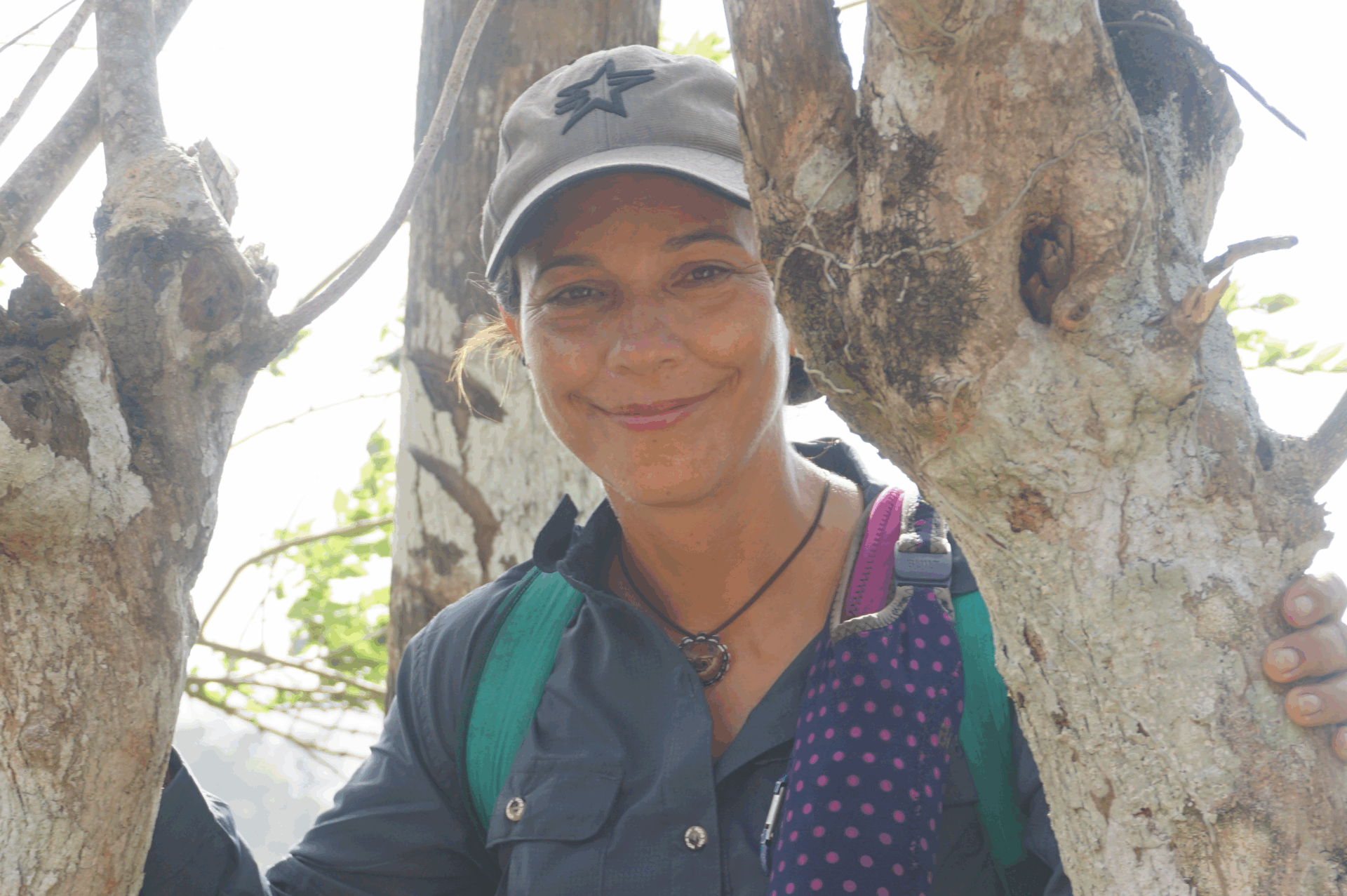
Along the way, we get to know the village better. The people of Quebrada Ancha farm sustainably and see themselves as guardians of the national park. They grow coffee, keep bees, and turn local woods into beautiful handicrafts.
Then we head back to the village and set up camp for the night. Tents go up, air mattresses are inflated, hammocks are strung. We turn in early, because the coming days still hold plenty of adventures in store.
