

Panama is a country full of fascinating sights, and it’s packed with options for day trips. If you’re spending just one day here on a cruise ship, making the most of that precious time really matters. Below you’ll find handy tips on my top 5 shore excursions from the ports of Colón and Panama City. I’ve been running small-group, English-speaking tours here for over ten years, and I’m sharing what my guests enjoy most.
Our top 5 excursions
- Visit to Panama’s old town and the Panama Canal
- Boat trip through the Panama Canal and the locks
- Boat trip to Monkey Island on Gatún Lake
- Trip to an Embera village
- Train ride along the Panama Canal
- An interesting new alternative is the: trip to the Camino Real
The excursions in bold are the ones we run on every Aida and Mein Schiff sailing!
Want to read more about the excursions and request one right away? Follow this link: Shore excursions from the port of Colón/Panama
Panama’s old town and the Panama Canal
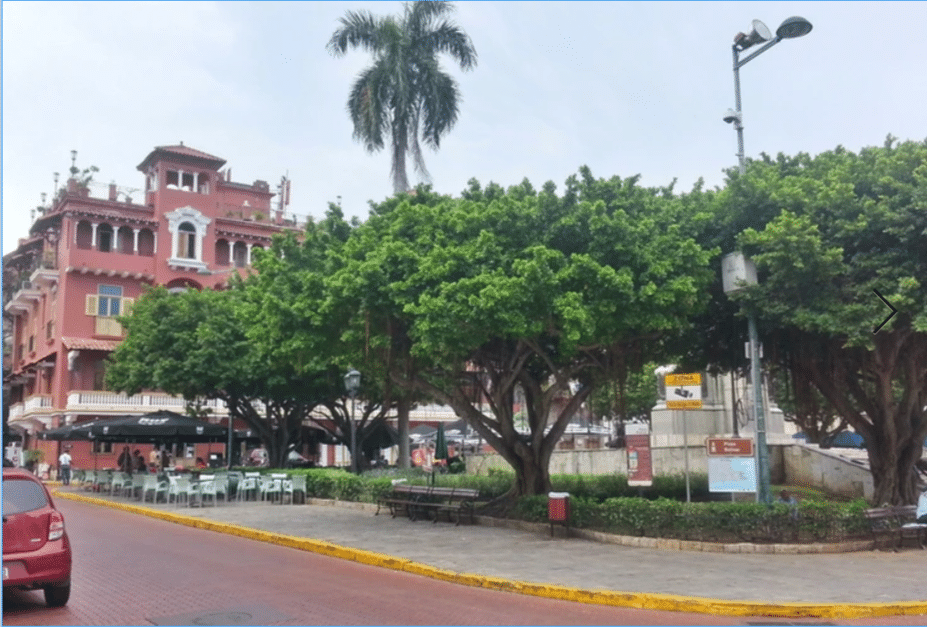
The most popular excursion, and an absolute must for anyone visiting Panama for the first time, is the trip to the colonial old town and the Panama Canal. Panama’s old town, a UNESCO World Heritage Site since 1997, charms visitors with its beautiful colonial streets and alleys, lined with buildings that are either elegantly restored or charmingly falling apart. This district was founded in 1673; the original city of Panama dates back to 1519 and was burned down in 1671 by the English pirate Henry Morgan.
A walking tour serves up plenty of great photo spots, visits to several colonial churches and a stroll to the Plaza de Francia, a headland of the old town lapped by the Pacific. From here you get a gorgeous view of the Bay of Panama, the ships waiting to enter the Panama Canal, the Bridge of the Americas, Frank Gehry’s Biomuseo and the skyscrapers of modern Panama. Allow at least 1.5 to 2 hours for the walk through the old town.
Miraflores Locks of the Panama Canal
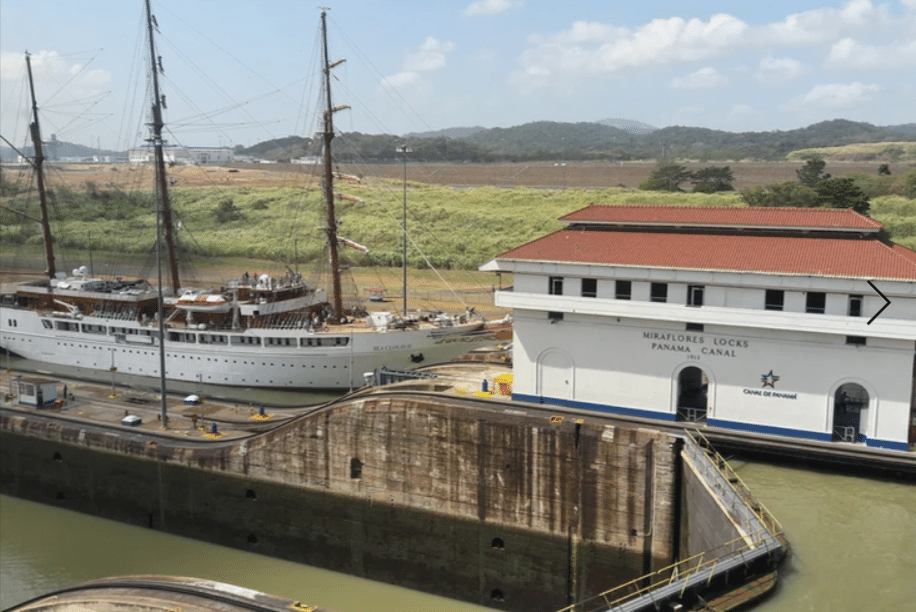
A visit to the Panama Canal locks is a one-of-a-kind experience. The canal is a masterpiece of engineering, and here you can watch huge container ships glide past, often just a few centimeters from the lock walls. The Miraflores visitor center also has an interesting exhibition on how the canal was built and how it works, plus a short film.
Passing through the Panama Canal spares ships an average detour of 20,000 kilometers around Cape Horn and several million US dollars in travel costs. A visit to the locks is at its best when traffic is heavy and ship after ship files through the chambers. When you plan, make sure the excursion is timed to the ships’ transit windows, so you’ve got a good chance of catching ships in the locks (the tours sold onboard usually don’t bother with this).
Boat trip through the Panama Canal and locks
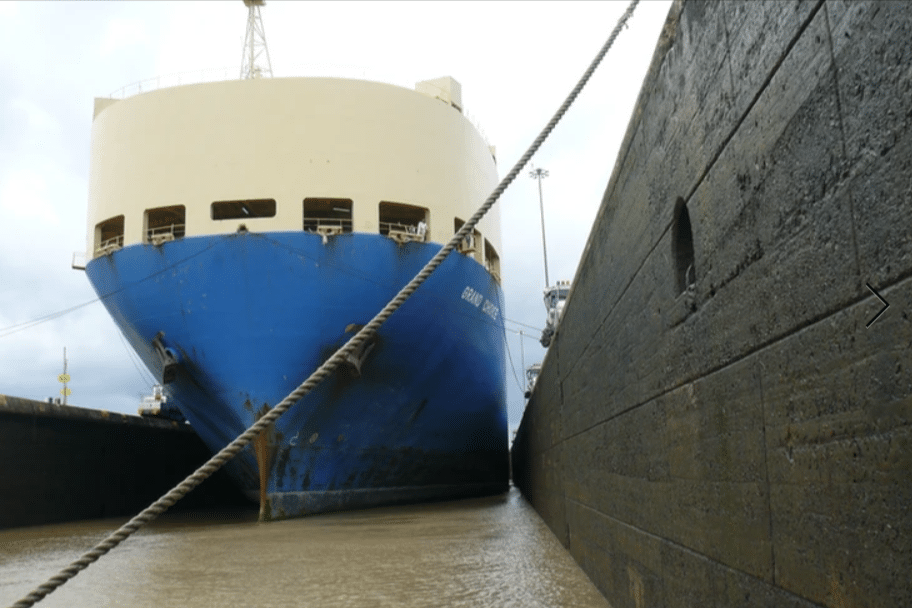
A boat trip through the Panama Canal out to the open ocean is unforgettable, and it’s perfect for anyone who wants to spend a whole day on the water. The trip usually starts in the Gaillard Cut, also known as the Culebra Cut, in a section called Cucaracha. You board here and travel through the narrowest stretch of the canal, under the Centennial Bridge, to the Pedro Miguel Locks. Here you take the first lock step, dropping eight meters to Miraflores Lake. From there it’s on to the Miraflores Locks, where you’re lowered another 17 meters to the Pacific. Locking through at Miraflores takes about 45 minutes on average, and then you head out into the open Pacific. At the Amador Causeway, in the Bay of Panama, you leave the boat and return to the port in Colón (cruise ships docking in Panama City often make the canal transit themselves).
You can only book the Panama Canal boat trip directly through the ship, since entire excursion vessels are chartered for it. My advice: book as early as you can, because it often sells out fast.
Boat trip to Monkey Island – wildlife watching on Gatún Lake
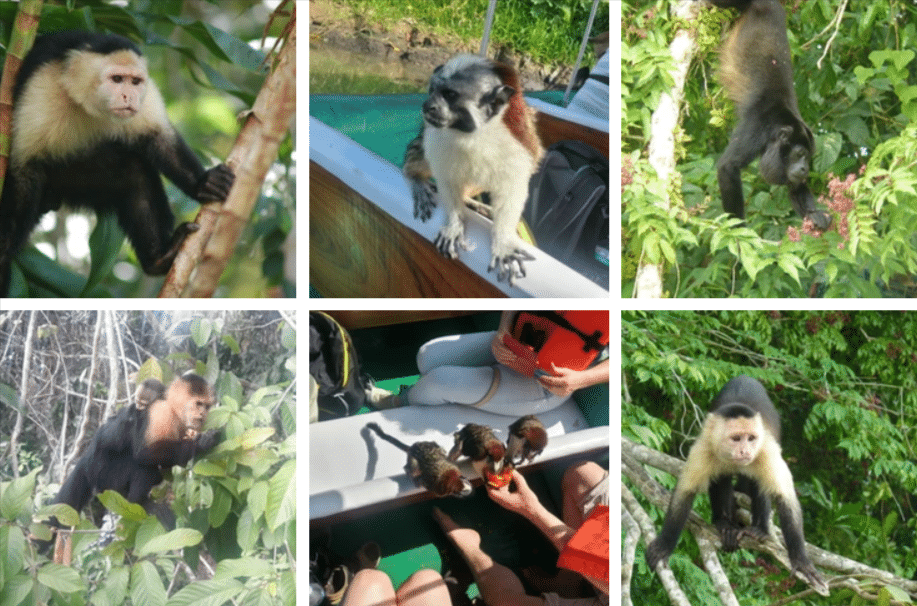
The vast Gatún Lake was created for the Panama Canal and, until the Hoover Dam was built, was the largest artificial reservoir in the world. Over 14,000 ships pass through it each year. Tropical rainforest lines its shores, and many former hilltops are now islands. Some of them are home to monkeys such as capuchins, howler monkeys and the Panamanian white-faced monkey. On a boat trip across Gatún Lake, with a bit of luck, you’ll spot these monkeys and often a few ships crossing the canal as well. Cruise and container ships set against the dense, lush rainforest make for an extraordinary sight. You travel in small covered fishing boats through the maze of islands, and the captain’s trained eye quickly picks out the sociable monkeys swinging through the canopy. They come in very close, though it’s wise to keep the respect wild animals deserve. You’ll also see plenty of birds, from wattled jacanas, snail kites and common gallinules to toucans, along with other tropical locals like sloths and crocodiles.
After Monkey Island, you can also visit the new Panama Canal locks on the Caribbean coast. This excursion is an impressive pairing of nature and engineering at the canal.
Trip to an Embera village
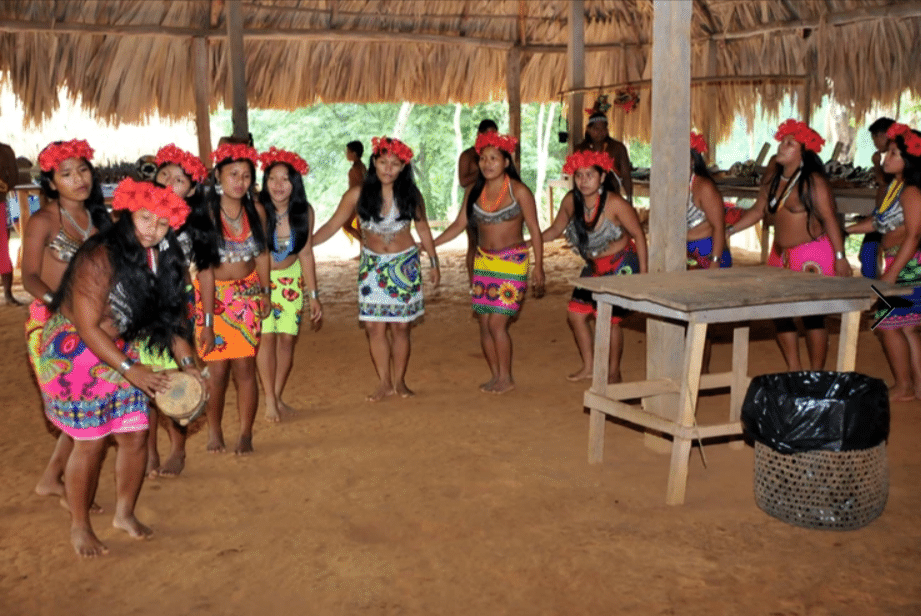
Many indigenous peoples still live in Panama. Not far from Panama City and Colón, several Embera and Wounaan villages sit in the rainforests around the Panama Canal. A short drive from Colón brings you to Gatún Lake, and from there you continue by dugout canoe along the Gatún River to an Embera village. For centuries the Embera lived in small family groups in the rainforests of Panama and Colombia; only in recent decades have they founded larger settlements. Traditionally they lived by hunting, fishing, gathering and a little subsistence farming. Embera culture is captivating, from its customs and dances to its colorful handicrafts and its thousands of years of rainforest knowledge. After a warm welcome in the village, you get to know the Embera’s culture, dances and customs. There’s a typical Embera lunch to keep you going, and you can take a short walk through the village and the rainforest next to it. The village medicine man is glad to explain how the healing plants work along a nature trail through the forest. Photography in the villages is fine; if you’d like to photograph people and their homes, ask or gesture politely for the residents’ permission first. Afterwards you head back by dugout canoe to the road. With a little luck, you’ll spot some animals on the rainforest walk or the boat ride too!
There’s usually still time afterwards to visit the new Panama Canal locks on the Caribbean coast.
Railway ride along the Panama Canal from ocean to ocean
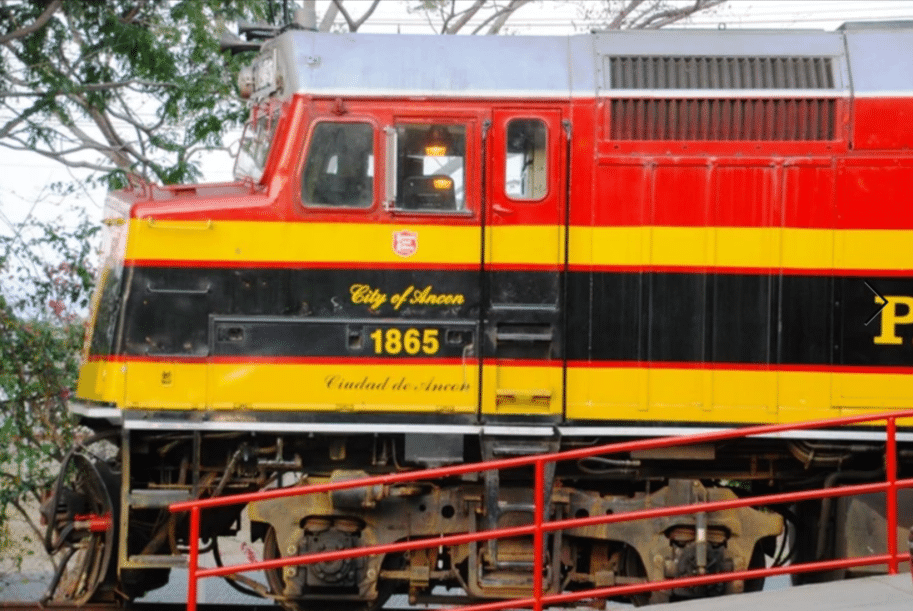
Railway fans shouldn’t miss the ride in the observation car from Colón to Panama City. You travel in luxurious carriages with tropical wood paneling and air conditioning. The route follows the Panama Canal, and a good stretch of it even crosses Gatún Lake. You often run right alongside the canal’s shipping channel, watching ships, locks and the town of Gamboa slide past the window. The line traces back to the oldest transcontinental railway on the American continent, opened in 1855, and it later proved hugely important to the construction of the canal. When parts of the Canal Zone were returned, the state of Panama took over the line, and in 1998 it was awarded to Kansas City Southern Lines, who run it as the Panama Canal Railway Company. On the ride, it’s best to sit in the observation car (dome car) and also step out onto the open viewing platforms. Afterwards there’s often a stop at a souvenir market and/or the canal locks.
This excursion can only be booked through the ship, and it’s a bit pricier. Book as early as you can, because the seats, especially in the dome car, go quickly. Anyone wanting to do it independently has to be on a round trip in Panama, since you need to be in Panama City by 6:45 a.m. The train departs Panama City for Colón at 7:15 a.m. sharp, returning to Panama City at 5:00 p.m. (Monday to Friday only). Sadly, those times don’t line up with the ships’ port hours in Colón.
Excursion and hike on the Camino Real
One for all the active travelers! On a roughly two-hour hike, you get to know the nature and history of Panama and the Camino Real. In colonial times the Spanish moved goods and people from one ocean to the other along this route, a roughly 100-kilometer cobbled path winding through the rainforest from coast to coast. Every year, hundreds of kilograms of gold and tons of silver from the Andes were carried along this narrow trail. All that treasure was bound for Spain, and it drew the most famous pirates of the age, the likes of Francis Drake and Henry Morgan, who raided the mule caravans and the ports of Nombre de Dios, Portobelo and Panama City again and again. In the 19th century the path lost its importance once the railway was built, and the rainforest swallowed it up, until an Austrian rediscovered it in 2008. This hike lets you relive that fascinating story of riches and rediscovery. After about an hour’s drive you reach Lake Alajuela, where a boat trip takes you to the start of the hike. Along the shore you’ll see the tropical rainforest of Chagres National Park and plenty of bird species. The hike runs mostly over the original cobblestones of the Camino Real. Afterwards there’s a hearty lunch in a rainforest village that helped bring the path back to life. Once you’ve eaten, a boat brings you back to the road and on to the port in Colón or Panama.
More excursions: Every ship offers a wide range of extra excursions; most are just variations on visits to the sights described above.
If you enjoyed this post, I’d love for you to book an excursion with us! We’re a small provider, and every guest matters to us.
Here you’ll find our excursions: Shore excursions from the port of Colón
For questions, tips and to join the excursions, write to us or book a trip.


