

The good news first: you can visit Panama pretty much any time of year. Its position in the tropics guarantees warm temperatures the whole year through. Even so, picking the best time to visit Panama is one of the most important calls you’ll make when planning, because it depends so much on what you want to experience. There are clear regional and seasonal differences that can take your trip from “good” to “perfect.”
This in-depth guide walks you through everything worth knowing about Panama’s climate, so you can plan your trip well and land in the right place at the right time.
- What is the climate in Panama like? The details on the dry and rainy seasons.
- Are there climatic differences within the country? A detailed comparison of the Pacific, Caribbean and mountain regions.
- When is the best time for certain activities and regions?
- What should I pack? Practical tips for every season.
- Summary: Which Panama travel season suits which type of traveller best?
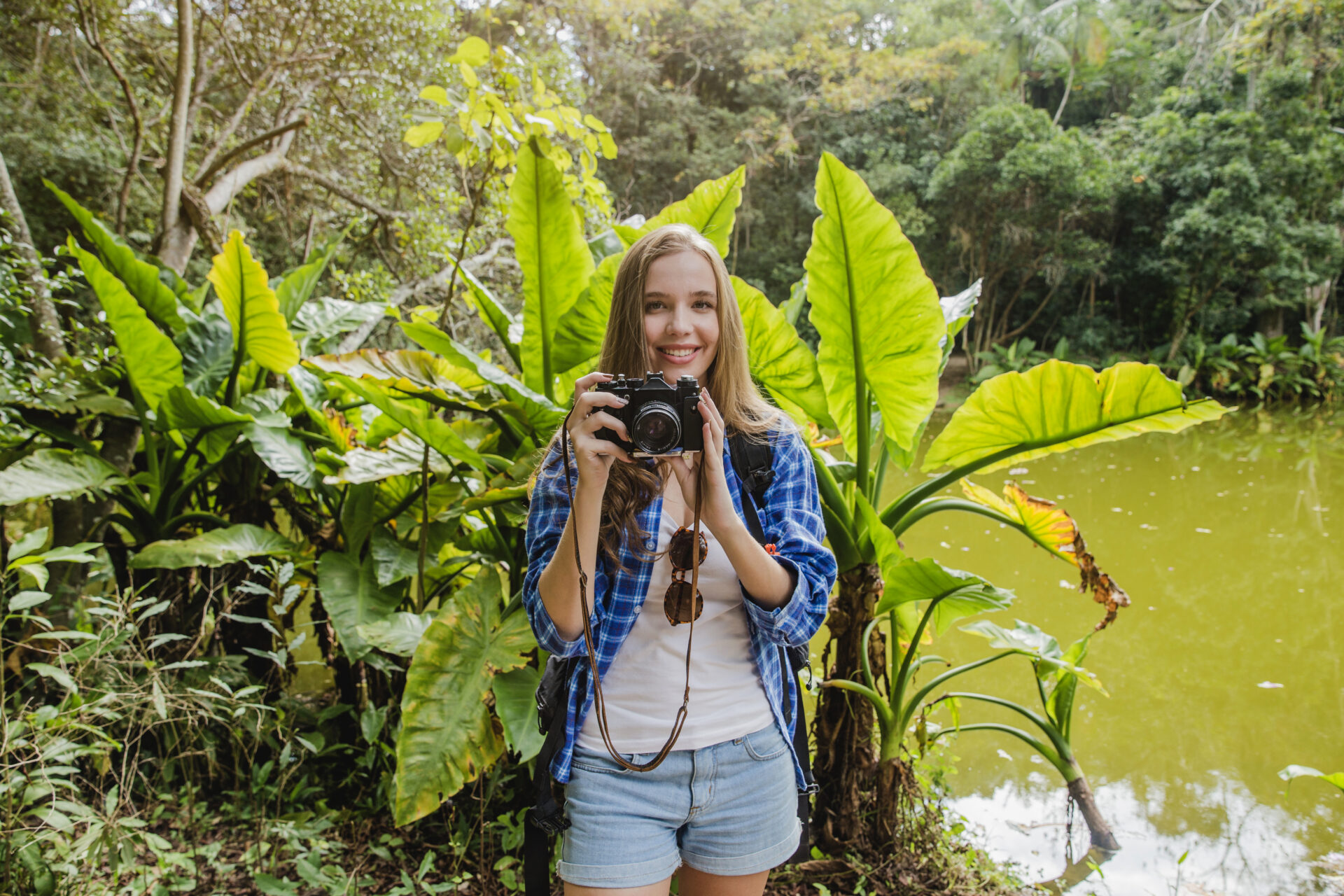
What is the climate in Panama like? A country with two seasons
Panama sits in the inner tropics, which means a warm climate all year round. Along the coasts, temperatures hold steady between 25 and 32 degrees Celsius. Rather than the four seasons we know in Europe, the climate here runs on two dominant periods: the dry summer (“Verano”) and the green rainy season (“Invierno”).
1. The dry season (“Verano”): roughly from mid-December to the end of April
This is the classic high season, and for many travellers it’s hands down the best time to visit. These are the months when Panama shows its sunniest side.
- What the weather’s like: Expect mostly brilliant blue skies and long hours of sunshine. Humidity is noticeably lower than the rest of the year, which makes being outdoors a real pleasure. Rain showers are rare, especially along the Pacific coast. Now and then, northerly winds bring a fresh breeze.
- What it means for travellers: Conditions are perfect for just about anything, from sightseeing in Panama City to lazy days on the Pacific beaches and most hikes. Since this is the main travel season, book flights and accommodation well ahead, especially in popular spots like the San Blas Islands or Boquete. On the cultural side, the famous Carnival falls in this window (February or March) and is celebrated with particular gusto in Las Tablas on the Azuero Peninsula.
2. The rainy season (“Invierno”): roughly from May to mid-December
The term “rainy season” is misleading, and it shouldn’t put you off in the slightest. It doesn’t mean weeks of nonstop rain.
- What the weather’s like: A typical rainy-season day often starts out sunny and clear. Come afternoon, the clouds build and a short but often very heavy shower rolls in, cooling the air beautifully and settling the dusty paths. Afterwards it usually clears right up again, leaving you a spectacular sunset. Nature is in full bloom during these months, and the landscape glows an incredibly lush green.
- What it means for travellers: This is prime time for nature photographers and anyone who loves lush, vivid vegetation. The waterfalls are spectacular and the rivers run full, which is ideal for activities like rafting. One big plus: far fewer tourists around, and prices for accommodation and tours are often noticeably lower. This period also brings a short, drier spell in July or August, the so-called “Veranillo” (little summer), an insider tip for travelling in the low season.
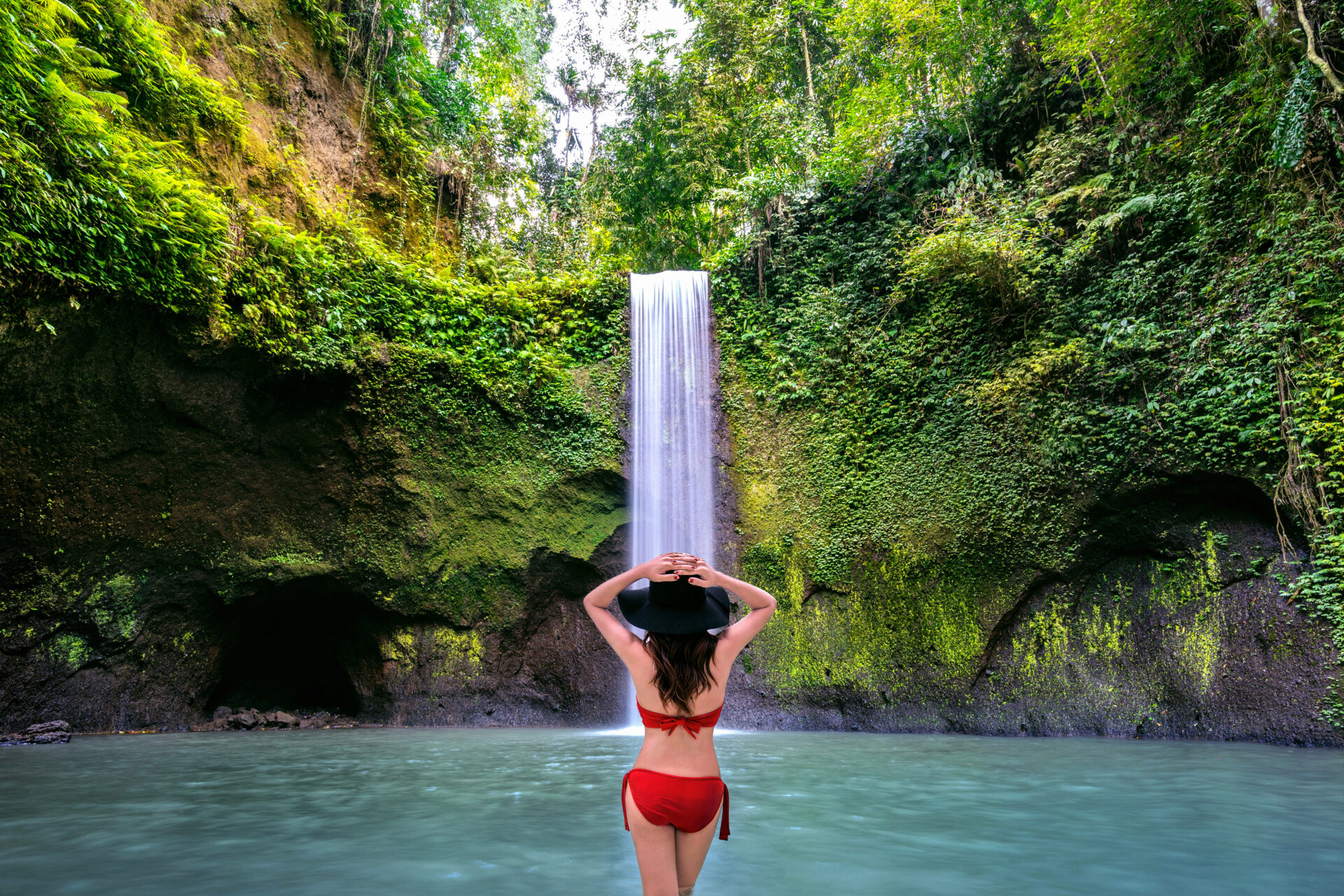
Regional climate differences: Pacific vs. Caribbean vs. highlands
The central mountain range that runs through Panama acts as a weather divide, carving the country into three distinct climate zones. Here’s a quick overview:
| Region | Climate characteristics | Best time to visit | Particularities |
|---|---|---|---|
| Pacific coast (Panama City, Azuero) | Clearly separated dry & rainy seasons, very sunny during “Verano” | Mid-December – April | Ideal for sun lovers, sightseeing and classic round trips. |
| Caribbean coast (Bocas del Toro, San Blas) | More humid and tropical year-round, no clear dry season | February–March & September–October | Most lush vegetation, warm sea all year, perfect for an authentic Caribbean feel. |
| Highlands (Boquete, El Valle) | Cooler, spring-like, often misty (“Bajareque” drizzle) | January – April | Perfect for hiking, coffee tours and birdwatching. A pleasant cool-down. |
When is the best time for your activities?
Depending on what you have planned in Panama, the ideal timing shifts:
- For a beach holiday and sun lovers: The dry season from December to April is ideal, above all on the Pacific coast and the San Blas Islands, where the sea turns calm and the water crystal clear, perfect conditions for snorkellers and sailors.
- For nature and hiking enthusiasts: The green season from May to November is perfect for experiencing the lush vegetation. For hikes in the highlands (e.g. Boquete), however, the drier months from January to April are more suitable, as the trails are then less slippery and the long-distance views, for example from the summit of Volcán Barú, are clearer.
- For wildlife watching: One unforgettable experience is spotting the humpback whales on the Pacific coast, which come to Panama’s warm waters to calve from July to October. The famous quetzal is easiest to see in the highlands during its breeding season, from January to April.
- For budget travellers and those seeking quiet: In the rainy season from May to November, accommodation and tours are often cheaper. You experience the country more authentically and have many places nearly to yourself.
Panama travel season at a glance
- ☀️ Dry season: December – April (pure sunshine, ideal travel time for most regions)
- 🌧️ Rainy season: May – November (short showers, lush green landscapes, fewer tourists)
- 💡 Caribbean tip: The months of February–March & September–October are often the sunniest here.
- 🌡️ Temperatures: 25–32 °C on the coast year-round, the water stays at a constant ~28 °C.
- ⛰️ Highlands: Considerably cooler and fresher, perfect for a change from the tropical heat.
What should I pack? Practical tips for every season
Your packing list depends heavily on the chosen travel season and region.
- For the dry season (December – April): Light cotton clothing, swimwear, a sun hat, strong sunscreen (SPF 50+), sunglasses and sandals are a must. For Panama City and the smarter restaurants, pack long trousers and closed shoes too. Heading to the highlands around Boquete? Bring a light sweater or fleece, because the evenings turn cool.
- For the rainy season (May – November): On top of your summer clothes, a good lightweight, breathable rain jacket is essential. An umbrella comes in handy in the city too. Waterproof shoes or trekking sandals you don’t mind getting wet are ideal for trips into nature. Quick-drying clothing is worth its weight in gold, and a waterproof bag or backpack keeps your electronics safe when a shower hits out of nowhere.
Which travel season suits whom?
You can visit Panama all year round, so let your own priorities guide the timing.
- Planning a classic round trip built around beaches, unbroken sunshine and the most reliable weather? The dry season from December to April is your safest, best bet. It’s ideal for first-time visitors who want to see as much of the country as possible without rain getting in the way.
- Want nature at its most glorious, thundering waterfalls and wildlife sightings like the whales, all while dodging the crowds? The rainy season from May to November is an excellent alternative. It’s the time for travellers after a more authentic, quieter and more intense encounter with nature.
Whenever you go, Panama will win you over with its incredible variety, its rich culture and the warmth of its people.
If you enjoyed this detailed post, I’d love for you to plan your Panama trip with us! We’re a small provider of sustainable trips in Panama, and every guest matters to us. We know the quirks of each season and make sure your trip turns into an unforgettable one.


